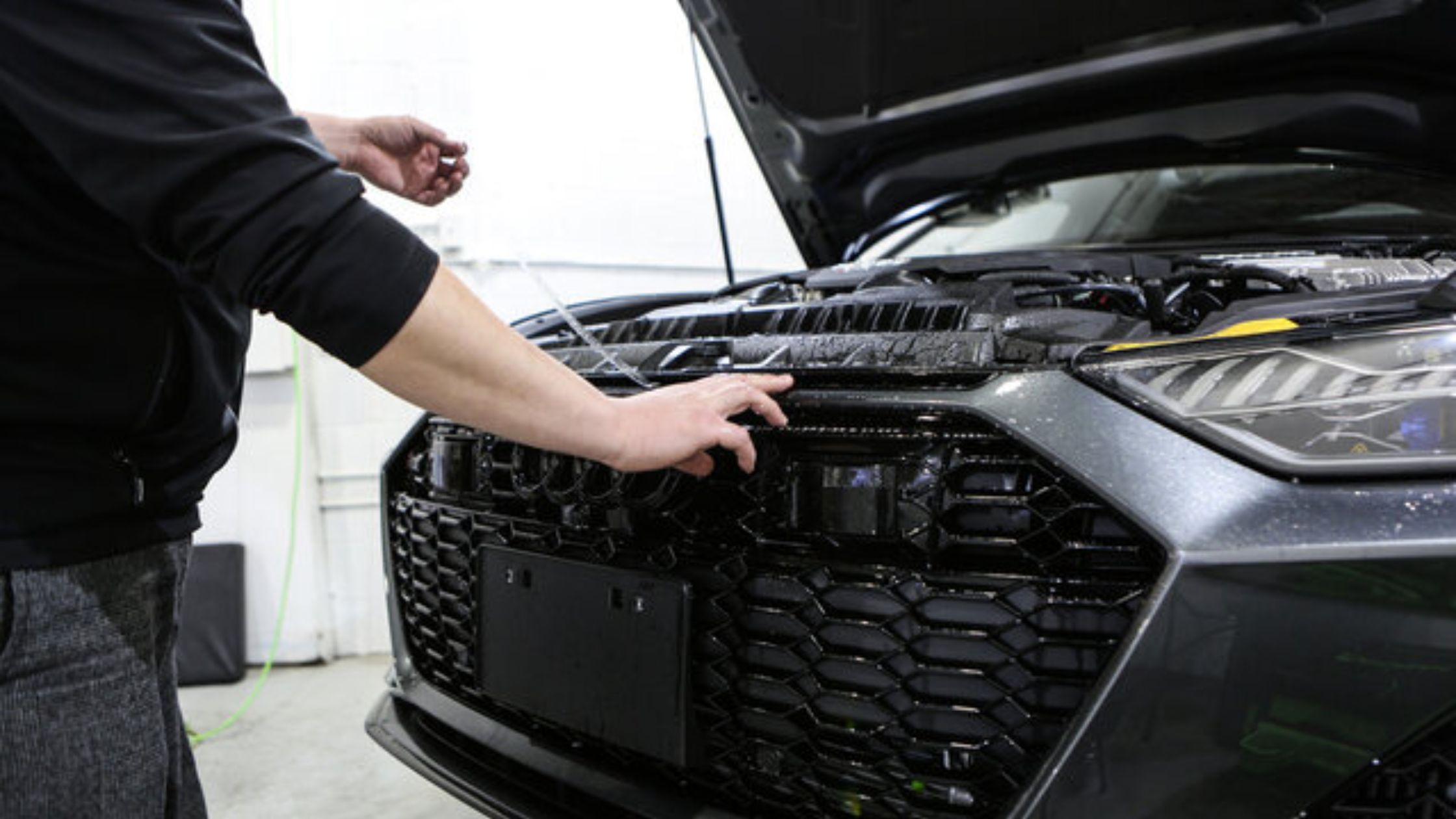
Bringing a newly protected vehicle home is an exciting milestone, but knowing how to care for your fresh installation is critical to protecting your investment. If you are driving a pristine vehicle past the Golden 1 Center or down the bustling grid of Midtown, your exterior is bound to collect dust quickly. While you might be tempted to wash off this initial layer of road grime immediately, investing in ppf in Sacramento requires you to follow strict aftercare protocols to ensure the film bonds perfectly to your paint. Washing your car too soon can disrupt the curing process, compromise the adhesive layer, and lead to permanent edge lifting. This comprehensive guide outlines the exact timeline, techniques, and precautions you must follow to preserve your vehicle’s flawless finish.
Failing to respect the necessary waiting period after your installation can lead to several preventable issues:
- Adhesive failure: Excess water pressure can force its way under the edges of the film before the mounting solution has completely evaporated.
- Trapped moisture bubbles: Washing too early can trap lingering water pockets under the film, creating hazy spots that ruin the optical clarity.
- Peeling corners: Agitating the edges with wash mitts before they cure will cause the film to lift, requiring professional trimming or replacement.
- Damaged self-healing topcoats: Exposing the fresh elastomeric surface to harsh chemical soaps before it settles can degrade its healing properties.
How soon can you wash a car after getting PPF?
You must wait a minimum of seven days before washing your vehicle after getting paint protection film installed. This one-week waiting period gives the specialized acrylic adhesive backing ample time to cure, bond, and lock onto your factory clear coat. If water or mechanical friction is introduced to the edges of the film during this sensitive initial window, the material can shift or lift away from the panel.
While your vehicle is navigating through its initial seven-day curing phase, you must observe several immediate protection rules:
- Avoid all moisture contact: Keep the vehicle dry and away from heavy rain, commercial sprinklers, or morning dew whenever possible.
- Do not perform spot cleaning: Resist the urge to wipe away light dust, pollen, or minor bird droppings with a dry microfiber cloth.
- Skip the pressure washer: Avoid using any high-pressure sprayers or garden hoses anywhere near the vehicle’s body panels.
- Park in a protected area: Store your car in an enclosed garage or covered carport to shield it from unpredictable regional weather.
- Refrain from touching the seams: Avoid pushing down on bubbles or picking at the edges of the film, even if you notice minor imperfections.
Why is curing essential when installing PPF in Sacramento, CA?
When you choose to install PPF in Sacramento, CA, the process relies heavily on a liquid-based application method that requires a dedicated drying phase. The film is applied using a specialized slip solution, which allows the technician to slide and stretch the polyurethane precisely over the complex curves of your vehicle.
Once the installer squeezes out the excess liquid, microscopic moisture remains trapped between the paint surface and the film. This moisture must naturally evaporate through the semi-permeable structure of the film over several days to establish a secure adhesive bond.
- Evaporation through microscopic pores: Modern urethane films are highly advanced and breathable, allowing water molecules to slowly pass through the surface.
- Adhesive activation timeline: The high-performance acrylic adhesive requires dry warmth to cross-link with the clear coat and form a permanent seal.
- Impact of environmental temperature: The speed of the curing process is heavily influenced by ambient air temperatures and humidity levels.
- Risk of premature water intrusion: Introducing external moisture during this phase reintroduces water to the semi-dry adhesive, completely halting the bonding process.
In the localized Sacramento Valley, this curing process can vary depending on the season. During our scorching summer months, the intense heat helps speed up moisture evaporation, though you must still wait the full seven days to be absolutely safe. Conversely, if your film is installed during the cooler, humid winter months, the curing process can take slightly longer, requiring extra patience.
What is the correct way of washing a car with PPF?
The safest and most effective method of washing a car with PPF is utilizing a meticulous hand-wash technique paired with a high-quality pH-neutral soap. Hand washing allows you to control the exact pressure, direction, and friction applied to the sensitive edges of your protective film.
To achieve a flawless, scratch-free wash without compromising your clear bra, you must follow a systematic wash process:
Step 1: Use the Two-Bucket Wash Method
Always set up two separate buckets before beginning your wash, placing a grit guard in the bottom of each. Fill one bucket with clean water for rinsing and the other with your diluted pH-neutral soap solution. Dip your microfiber wash mitt in the soapy water, wash a single panel, and immediately rinse the dirt off in the rinse bucket before picking up more soap. This technique prevents abrasive dirt particles from being ground back into your film’s self-healing topcoat.
Step 2: Select a Dedicated pH-Neutral Car Shampoo
Avoid using household dish soaps, degreasers, or aggressive traffic film removers, as these harsh chemicals can dry out the polyurethane and strip away the film’s hydrophobic qualities. Choose a dedicated, wax-free, pH-neutral car wash soap that offers high lubrication. This lubrication allows your wash mitt to glide effortlessly across the surface, minimizing friction and preventing light swirl marks.
Step 3: Establish a Safe Washing Direction
When cleaning panels with exposed seams, such as the hood, fenders, or front bumper, always wash away from the seams rather than toward them. Dragging your wash mitt over the edge of the film can catch the material and pull it away from the paint. Wipe in straight, gentle lines, starting from the center of the panel and moving outward toward the edges to keep the seams perfectly flat.
Step 4: Dry Safely with Plush Microfiber
Never use a traditional leather chamois or stiff bath towels to dry your vehicle, as these materials can create micro-scratches and snag on tucked edges. Use an ultra-plush, clean microfiber drying towel, gently blotting the water off the surface rather than dragging it aggressively. Alternatively, you can use a high-velocity leaf blower to blow water out of cracks, crevices, and film seams without making physical contact.
Essential PPF aftercare tips to prevent edge lifting
Maintaining the pristine look of your clear bra requires you to adopt specific PPF aftercare tips to prevent premature wear and edge damage. Small changes in how you handle washing equipment can mean the difference between a film that lasts a decade and one that peels within months.
If you are concerned about persistent spots or noticed an edge that has lifted slightly during the curing phase, you can contact us to have a professional technician inspect your vehicle’s protective layer.
To safeguard your film seams during routine maintenance, incorporate these critical equipment rules:
- Maintain a safe spray distance: Keep your pressure washer nozzle at least 12 to 18 inches away from all film seams and corners.
- Utilize wide spray angles: Use a 40-degree white fan nozzle tip instead of a concentrated pinpoint spray pattern to distribute the water pressure evenly.
- Avoid perpendicular spraying: Never spray water directly at a 90-degree angle to a film seam, as the concentrated force can lift the edge instantly.
- Keep water pressure moderate: Set your pressure washer to a maximum of 1,500 to 1,800 PSI, which is more than enough to clean a protected vehicle.
- Avoid touching hot panels: Never wash your vehicle when the hood is hot from driving or after it has been sitting in direct sunlight.
How does the local environment impact paint protection film maintenance?
The unique climate and environmental elements of the Sacramento region present distinct challenges for paint protection film maintenance that require consistent care. Commuting daily between areas like Elk Grove, Roseville, and West Sacramento exposes your exterior to a harsh cocktail of physical and chemical hazards.
Regional drivers must adapt their maintenance schedules to combat several localized threats:
- Corrosive agricultural dust storms: Winds blowing from surrounding farm communities in the Sacramento Basin deposit abrasive mineral dust on your vehicle.
- Acidic tree canopy fallout: Neighborhoods like Land Park and East Sacramento are famous for historic sycamore and oak trees, which drop highly acidic sap and pollen.
- Highway construction concrete dust: Regular infrastructure improvements along Highway 50 and Interstate 5 kick up heavy dust that can lodge in film pores if not washed weekly.
- Stubborn hard water spot etching: The high mineral content in local municipal water systems can leave permanent water spots if tap water is allowed to dry on the film.
- Concentrated industrial fallout: Commuting past the industrial hubs of West Sacramento exposes panels to metallic particles that pit unprotected paint.
Because our summer temperatures regularly soar past 100 degrees Fahrenheit, the Central Valley heat dome can quickly bake these acidic contaminants into your film. It is highly recommended to wash your vehicle weekly during the summer to prevent organic acids from permanently etching the self-healing topcoat.
Recommended care timeline for new PPF installations
The table below outlines what activities are safe, restricted, and recommended during the various stages following your professional film installation.
| Time Elapsed | Film Status | Permitted Activities | Restricted Activities | Recommended Maintenance |
| 0 to 24 Hours | Critical dry phase | Parking in a closed garage, gentle driving in dry weather | Driving in heavy rain, touching edges, high speed highway travel | Visual inspection for major shifting or water pockets |
| 24 to 72 Hours | Evaporation phase | Commuting, parking in light sun to assist with curing | Spot cleaning, using quick detail sprays, exposing to morning dew | Keeping the vehicle in a dry, temperature-controlled space |
| 3 to 7 Days | Initial bond phase | Gentle driving, parking outdoors in warm weather | Washing, high-pressure rinsing, applying spray waxes or sealants | Allowing the sun to naturally warm the panels and dry out bubbles |
| 7 to 30 Days | Fully cured state | First gentle hand wash, applying PPF-safe ceramic boosters | Using automated brush car washes, aggressive clay bar treatment | Hand washing with the two-bucket method and pH-neutral soap |
| 30+ Days | Long-term maintenance | Normal driving, pressure washing with safe nozzle distances | Using abrasive cutting polishes, rotary buffers, acid-based cleaners | Applying a specialized synthetic sealant or PPF-safe booster spray |
FAQs about washing your car after PPF installation
Can you use a pressure washer on paint protection film?
Yes, you can safely use a pressure washer on paint protection film, provided you follow strict distance and angle guidelines. You must keep the spray tip at least 12 to 18 inches away from all film edges, utilize a wide 40-degree fan nozzle, and maintain a water pressure below 1,800 PSI. Aiming a high-pressure stream directly at a seam from close range can force water underneath the urethane, causing the film to lift, peel, or tear.
What happens if it rains immediately after getting PPF installed?
If it rains within the first 24 to 48 hours of your installation, you must dry the vehicle as soon as possible using a clean, ultra-soft microfiber towel. Prolonged exposure to heavy rain before the adhesive has fully cured can introduce excess moisture to the edges, causing bubbling and preventing a proper bond. If you notice rain spots or localized bubbling after a storm, avoid pushing on the bubbles yourself and contact your installer for advice.
Is it safe to wax or clay bar a car with PPF?
You can wax your paint protection film, but you must only use clean, natural carnauba waxes or synthetic sealants that do not contain any abrasive polishing agents, dyes, or petroleum distillates. Avoid getting wax buildup along the edges of the film, as this will leave an unsightly white line that attracts dirt. Clay bar treatments should generally be avoided on PPF, as the abrasive action can dull the self-healing topcoat and scratch the surface.
How do you remove bugs and bird droppings safely from film?
To remove organic contaminants like bug splatter or acidic bird droppings, spray the affected area with a dedicated quick detailer or warm water to soften the debris. Allow the solution to dwell for one to two minutes, then gently wipe the area clean using a plush microfiber towel without applying heavy pressure. Never scrub the film with aggressive bug sponges, stiff brushes, or dry towels, as this can permanently scratch or haze the urethane topcoat.
Can you dry-wipe a car that has PPF?
No, you should never dry-wipe a vehicle that has paint protection film, even if it only has a light layer of dust. Wiping a dry film surface drags abrasive dust particles, pollen, and road grit across the urethane, creating fine scratches and swirl marks. Always use a generous amount of water, a lubricating quick detail spray, or a dedicated waterless wash solution to safely lift dirt particles off the surface before wiping.
Conclusion: Securing a lasting showroom shine for your vehicle
Caring for your clear bra correctly during its initial curing phase is the most effective way to ensure your vehicle remains shielded for the long haul. By waiting a full seven days before your first wash, adopting safe hand-washing techniques, and avoiding automated brush washes, you protect the structural integrity of your film. Taking a proactive approach to your maintenance routine prevents unsightly edge lifting, preserves the film’s self-healing topcoat, and keeps your factory paint looking brand new. Utilizing the local expert installation and support of West Coast Evolutions guarantees that your automotive investment is backed by professional knowledge, providing you with first-class assistance and the highest standard of PPF in Sacramento, CA protection.