If you just drove a brand-new car off the dealership lot, keeping that flawless exterior looking pristine is likely your top priority, which is why researching ppf in Sacramento is a crucial first step. The moment you drive your new vehicle onto Interstate 5 or Highway 99, it is immediately exposed to loose gravel, road debris, and the blistering Northern California sun. Paint Protection Film (PPF), also known as clear bra, provides a robust, invisible barrier that absorbs physical impacts and blocks environmental damage before it ever reaches your factory clear coat. For local car owners looking to maintain their vehicle’s long-term resale value and look, installing PPF on a new car is one of the most effective defensive measures you can take.
Before hitting the local freeways, new vehicle owners should consider the immediate risks their paint faces:
- Instantaneous road damage: Airborne rocks and highway construction debris can chip vulnerable front bumpers within the first few miles of dealership delivery.
- Irreversible paint degradation: Organic acids from local pests, tree sap, and bird droppings chemically etch into the paint under the intense heat of the Central Valley.
- Depreciating vehicle value: Every deep scratch or paint chip noted during a future appraisal directly reduces the vehicle’s resale or trade-in value.
Is it worth putting PPF on a new car?
Yes, putting PPF on a new car is absolutely worth the investment because it protects the factory paint when it is in its most flawless, undamaged state. Applying a protective layer early prevents the immediate road rash, rock chips, and scratch damage that inevitably occurs during everyday commuting. It also eliminates the need for expensive paint correction services prior to installation, making the overall process more affordable than trying to restore damaged paint later on.
Applying PPF for new cars immediately after purchase offers several distinct financial and practical advantages:
- Elimination of paint correction labor: New cars generally require minimal polishing, whereas used vehicles require hours of labor-intensive paint correction to remove swirl marks before film application.
- Preservation of original factory paint: Original paint is applied using specialized electrostatic processes in sterile factory environments, creating a bond that aftermarket body shops cannot replicate.
- Seamless edge wrapping: Installing film on flawless panels allows the material to adhere perfectly around the edges, resulting in a completely invisible installation.
- Protection for modern thin clear coats: Contemporary automotive manufacturers utilize thin, water-based paints that are highly susceptible to chipping compared to older, solvent-based paints.
By wrapping your vehicle immediately after purchase, you are locking in a perfect, untouched clear coat. This is especially vital for modern vehicles, which often feature thinner, water-based factory paints that chip much easier than the thicker, oil-based paints used on older cars. Whether you drive a luxury sports car, an electric commuter, or a heavy-duty truck, the physical shield of a high-quality urethane film is the only product that can absorb the energy of a flying pebble without tearing.
What are the unique paint hazards for drivers in Sacramento, CA?
The unique geographic and environmental conditions of the Sacramento Valley present a severe threat to automotive paint finishes. Sacramento is known for its soaring summer temperatures, agricultural surroundings, and extensive freeway systems that connect sprawling suburbs. Commuters traveling daily between Elk Grove, West Sacramento, Gold River, and the downtown business districts face an array of hazards that can quickly ruin a car’s exterior.
Drivers in the regional Sacramento area must contend with several localized hazards:
- The Central Valley heat dome: Summer temperatures frequently exceed 100 degrees Fahrenheit, which softens the vehicle’s clear coat and makes it more vulnerable to embedded dirt and debris.
- Alkaline agricultural dust: Winds blowing from surrounding farming communities in the Sacramento Basin carry mineral-rich dust that creates a highly abrasive, corrosive surface layer when combined with morning humidity.
- Corrosive regional tree canopy: The famous local tree canopy drops highly acidic organic compounds, including oak sap, sycamore pollen, and bird droppings, which can etch paint within hours.
- Highway construction debris: Continuous infrastructure upgrades along the Highway 50 corridor and Interstate 5 kick up heavy gravel, asphalt chunks, and concrete dust.
- Industrial fallout: Heavy commercial traffic near West Sacramento logistics hubs deposits microscopic metallic particles that rust and pit unprotected paint surfaces.
Furthermore, driving past local landmarks like the Golden 1 Center, Capitol Park, or the iconic Tower Bridge exposes your car to heavy urban traffic and constant construction zones. Loose gravel from roadwork on Highway 50 and Interstate 5 acts like sandpaper when kicked up by the tires of large commercial trucks. Additionally, Sacramento’s famous tree canopy, while beautiful, drops highly acidic tree sap, bird droppings, and organic matter onto parked vehicles. This organic waste is highly corrosive and can etch deep into your clear coat within just a few hours of exposure.
When considering protective measures for these environmental elements, scheduling a professional consultation is the best way to determine the exact requirements for your driving habits.
How does ppf in Sacramento defend your vehicle’s factory paint?
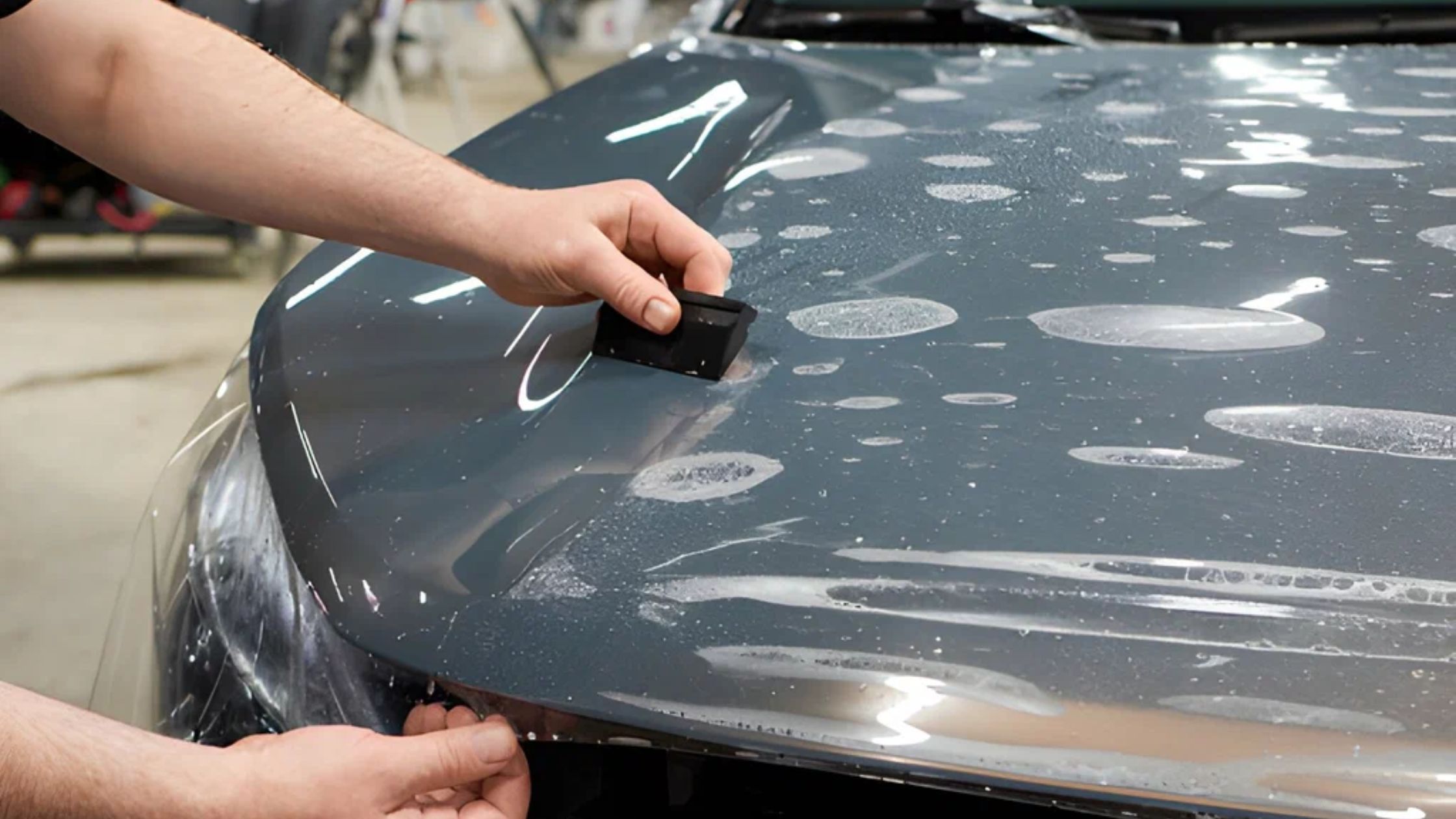
Choosing to apply ppf in sacramento ca is the ultimate method for establishing a high-performance clear barrier against physical impact. This advanced elastomeric polyurethane film acts as a sacrificial layer, absorbing the force of road debris, rock chips, and minor abrasions so your underlying factory paint remains completely untouched.
Physical Impact Resistance against Road Debris
The primary strength of paint protection film lies in its incredible energy-absorbing design. When a pebble or piece of road debris strikes an unprotected bumper at freeway speeds, it concentrates all its kinetic energy onto a tiny point, cracking the paint. PPF is engineered to distribute this impact energy across a much wider surface area, allowing the flexible urethane to stretch and bounce back without tearing or puncturing. This keeps the physical impact from reaching the fragile clear coat beneath.
Severe UV and Heat Protection
Premium paint protection films are formulated with advanced UV inhibitors that act as a powerful sunblock for your vehicle. By blocking harmful ultraviolet radiation, the film prevents the chemical oxidation process that causes paint to fade, yellow, or peel. This is especially critical in Sacramento, where cars are subjected to long hours of direct sunlight. The film itself is highly resistant to UV degradation, meaning it will not turn yellow, dry out, or become brittle even after years of continuous exposure.
Self-Healing Properties for Swirl Marks
One of the most impressive technological features of modern PPF is its ability to heal itself from light scratches, wash-induced swirl marks, and minor scuffs. The top layer of the film consists of a proprietary elastomeric polymer that naturally returns to its original, smooth shape when heated. If your car gets fine scratches from a dusty car wash or road debris, simply parking the vehicle in the direct Sacramento sun or applying warm water will cause the microscopic scratches to disappear, keeping the surface looking brand new.
Resistance to Acidic Contaminants
In addition to physical defense, PPF is highly resistant to chemical staining and corrosion. The non-porous topcoat prevents acidic substances like bird droppings, squashed insects, and tree sap from penetrating and etching into the paint. This chemical resistance makes the vehicle much easier to clean, as bugs and grime slide off the slick surface of the film during a standard wash without requiring aggressive scrubbing that could scratch the finish.
How much does PPF installation cost in Sacramento?
The cost of installing paint protection film in the Sacramento area varies widely depending on the level of coverage you choose, the size of your vehicle, and the complexity of its body panels. Because PPF requires meticulous hand-installation, custom trimming, and careful surface preparation, prices reflect both the premium material costs and the intensive labor required to achieve a seamless look.
Typically, local professional shops group PPF installations into three main packages designed to fit different driving habits and budgets.
| Coverage Package | Areas Protected | Typical Sacramento Price Range | Best Suited For |
| Partial Front End | Front bumper, partial hood, partial fenders, side mirrors | $600 to $1,500 | Budget-conscious daily commuters |
| Full Front End | Entire front bumper, full hood, full fenders, side mirrors, headlights | $1,500 to $3,500 | Highway drivers, daily commuters, and SUVs |
| Full Vehicle Wrap | Every single painted exterior panel of the vehicle | $4,000 to $8,500+ | Luxury vehicles, sports cars, exotics, and matte paint finishes |
When planning a budget for a professional installation, several key factors will influence your final quote:
- The complexity of vehicle body lines: Vehicles with sharp angles, deep recesses, and complex aerodynamic vents require extra time and custom bulk installation techniques.
- The size and class of the vehicle: Larger vehicles like full-size trucks or heavy-duty SUVs require significantly more square footage of raw polyurethane material.
- The current condition of the clear coat: Even new vehicles occasionally require localized polishing to remove dealership-inflicted wash scratches before film application.
- The installation method: Pre-cut plotter kits are highly efficient, while hand-cut, custom bulk installations require master-level craftsmanship but offer wrapped edges with zero visible seams.
While general estimates are helpful, getting an accurate quote for your vehicle will provide you with a precise price breakdown based on your vehicle’s make and model. Ultimately, the upfront cost of PPF should be viewed as a long-term investment. Repairing dozens of individual rock chips and repainting a damaged front bumper can easily cost thousands of dollars at a high-end collision center, and it will never truly match the factory finish.
What is the difference between PPF and ceramic coatings?
A common point of confusion for new car owners is the difference between paint protection film and ceramic coatings. While both products are designed to protect your vehicle and keep it looking clean, they are engineered for completely different purposes and offer different levels of defense.
To help differentiate the two popular protective options, consider these primary functions:
- Thickness and impact mitigation: PPF is a physical, heavy-duty polyurethane sheet measuring roughly 8 mils thick, whereas ceramic coatings are microscopic liquid polymers measuring only a fraction of a micron.
- Damage prevention profiles: PPF is the only product capable of absorbing kinetic energy to prevent deep rock chips, while ceramic coatings protect exclusively against chemical staining, water spots, and light washing swirls.
- Self-healing capabilities: High-quality PPF naturally repairs its own surface scratches using ambient heat, a feature that ceramic coatings do not possess.
- Hydrophobic performance: Ceramic coatings offer unmatched water-beading performance, slickness, and ease of cleaning, which keeps the vehicle looking clean for longer intervals.
To achieve the ultimate level of protection, many new car owners choose to combine both technologies. By installing PPF on the high-impact areas, such as the full front bumper and hood, and then applying a professional ceramic coating over the entire vehicle, you get the absolute best of both worlds. The PPF stops rock chips, while the ceramic coating adds supreme gloss and hydrophobicity, making the film itself even easier to maintain.
How long does PPF last under the Northern California sun?
A high-quality, professionally installed paint protection film will typically last between 5 and 10 years, even when subjected to the intense Northern California climate. The actual lifespan of the film depends heavily on the brand of material used, the quality of the prep work during installation, and how the vehicle is cared for over the years.
To maximize the lifespan and clarity of your protective film in Sacramento, follow these essential maintenance practices:
- Avoid immediate washing: Allow the film to cure completely for at least 7 days after installation before washing your vehicle.
- Hand wash only: Avoid automated drive-through car washes that use spinning, nylon brushes, as they can lift the edges of the film and cause swirl marks.
- Use the correct pressure wash distance: If using a pressure washer, keep the nozzle at least 12 to 18 inches away from the edges of the film to prevent the high pressure from lifting it.
- Clean organic contaminants quickly: Wash away bird droppings, bug splatter, and tree sap as soon as possible to prevent chemical etching.
- Apply a PPF-safe sealant: Periodically apply a synthetic sealant or ceramic detail spray designed specifically for polyurethane films to maintain its hydrophobic properties.
- Avoid harsh chemicals: Never use abrasive compounds, clay bars, or harsh solvent-based cleaners on the film, as they can degrade the self-healing topcoat.
Additionally, pay attention to these environmental signs that indicate your film needs professional attention:
- Loss of self-healing properties: Heavy surface contamination or microscopic wear over several years can slowly reduce the self-healing speed of the topcoat.
- Edge lifting or peeling: If dirt begins to accumulate under an lifted corner near wheel wells, a professional should trim and reseal the edge immediately.
- Texture changes or cloudiness: Severe, prolonged neglect without UV-protective sealants can eventually lead to a dull appearance, signaling the film has reached the end of its useful lifespan.
FAQs about Sacramento PPF installation
Can PPF be safely removed from a car?
Yes, high-quality paint protection film can be safely removed at any time without damaging the underlying paint, provided it was originally applied to a factory-cured finish. Professional removal involves using specialized heat guns or steam machines to soften the proprietary acrylic adhesive, allowing the film to be peeled away cleanly in one piece. If any adhesive residue remains on the clear coat, installers use paint-safe solvents to dissolve and wipe it away, leaving the original factory paint in the exact condition it was in the day the film was installed.
Does PPF cover existing rock chips on a used vehicle?
While PPF is best applied to a brand-new vehicle, it can be installed on used cars. However, the film is designed to conform perfectly to the surface, meaning it will not fill in or hide existing rock chips or deep scratches. In fact, installing film over an existing chip can sometimes create a small pocket of air, making the blemish more noticeable. For vehicles with minor damage, a professional installer will typically perform paint touch-ups and light paint correction to smooth out the surface before applying the film.
Will paint protection film turn yellow over time in Sacramento’s heat?
Modern, premium paint protection films are engineered with advanced, non-yellowing acrylic adhesives and aliphatic polyurethane compounds that are highly resistant to UV radiation. Unlike the older, low-quality films of the past that would turn yellow and brittle after a few years, current industry-leading films are specifically designed to withstand extreme UV exposure and heat. When installed by a certified professional, these advanced films come backed by extensive manufacturer warranties against yellowing, cracking, bubbling, or peeling.
How long after painting a car can you apply PPF?
If your vehicle has recently undergone aftermarket bodywork or panel repainting, you must wait at least 30 days before applying paint protection film. Factory-applied paint is baked at extremely high temperatures in the factory, allowing it to cure instantly. Aftermarket paint, however, cures slowly over time through a process called outgassing, where solvents escape from the paint layers. Applying PPF too early will trap these gases, causing unsightly bubbles to form under the film, and can even pull the paint off the panel if the film ever needs to be removed.
Is professional installation better than a DIY kit?
Professional installation is highly recommended over DIY kits due to the extreme difficulty of working with polyurethane film. PPF is highly sensitive to dust, wind, temperature, and moisture, making clean-room environments essential for a flawless finish. Professional installers have the specialized training, tools, and experience required to stretch the film around complex body contours, tuck the edges seamlessly around panels, and avoid stretch marks, silvering, or trapped bubbles. Furthermore, professional installation is the only way to secure the manufacturer’s multi-year warranty.
Conclusion: Making the right choice for your new vehicle
Investing in ppf in sacramento ca is ultimately about preserving your peace of mind and protecting your hard-earned asset from the harsh realities of Northern California driving. From the intense Central Valley heat to the gravel-strewn lanes of Interstate 5 and Highway 50, your vehicle faces daily wear that can rapidly degrade its exterior. By applying a premium, self-healing polyurethane barrier, you ensure your car maintains its deep gloss, structural integrity, and maximum trade-in value for years to come.
If you are ready to protect your vehicle with a premium layer of new vehicle paint protection, we invite you to contact us to speak with a specialist and receive a customized quote tailored to your vehicle’s specific shape.
A professional Sacramento PPF installation ensures that your vehicle is meticulously prepped, mapped, and protected using industry-leading materials designed specifically to withstand local environmental challenges. Whether you want to guard the highly vulnerable front bumper or wrap your entire vehicle in a stealthy matte finish, securing a high-quality installation is the single most effective choice you can make for your new vehicle’s exterior. The specialized team at West Coast Evolutions provides precision detailing, advanced paint protection, and premium film applications tailored to your specific vehicle and driving habits. Protect your vehicle today and preserve that showroom shine for all your future journeys across Northern California.