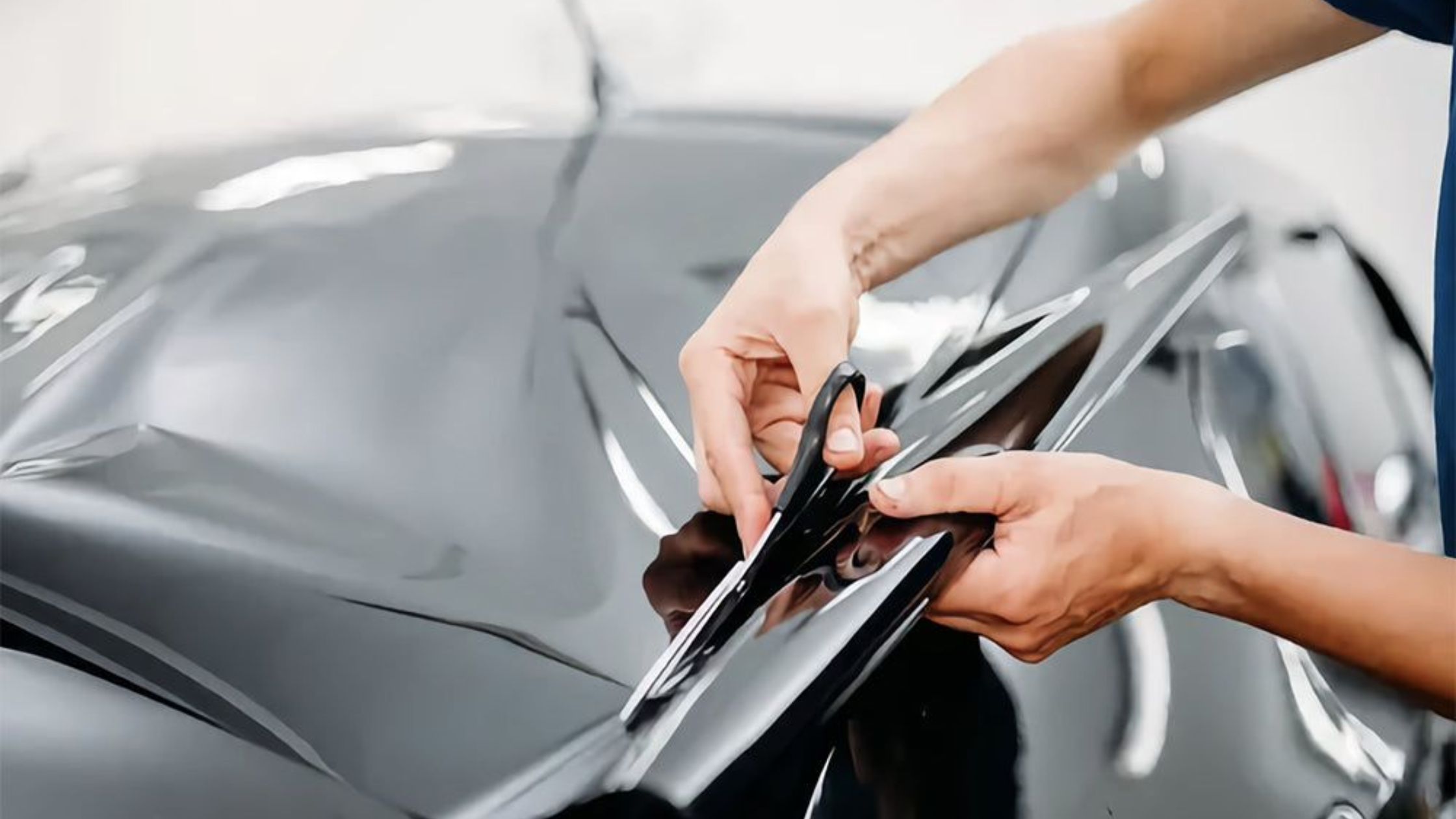
In the harsh environment of the Central Valley, high-quality car window tint typically lasts between 5 to 10 years, though premium ceramic films can often last for the entire lifespan of the vehicle. The longevity of your film is primarily determined by the quality of the material used and the intensity of solar exposure it faces while parked at landmarks like the Golden 1 Center or commuting along the exposed stretches of I-80. Investing in professional window tinting in Sacramento provides a durable solution that resists the fading and bubbling common in cheaper, dyed alternatives. By choosing the right materials, you ensure that your car remains a cool sanctuary against the 100-degree heatwaves that define Northern California summers.
How long car window tint lasts in Sacramento?
On average, a professional automotive window film will last about 7 to 10 years in the Sacramento area, provided it is a high-grade carbon or ceramic product. If you opt for a basic dyed film, the lifespan of car window tint in California is significantly shorter, often showing signs of failure within 2 to 3 years due to the relentless UV index. The specific duration depends on whether your vehicle is frequently garaged or if it spends its days in open parking lots in neighborhoods like Natomas or Arden-Arcade.
Several factors influence the actual lifespan of your tint in our local climate:
- Film Composition: Ceramic and carbon films are inorganic and do not fade or change color over time.
- Sun Exposure: Cars parked consistently in direct sun near Cal Expo or the State Capitol face more thermal stress.
- Installation Quality: A professional bond prevents edge peeling and moisture infiltration that can shorten film life.
- Maintenance Habits: Using the correct cleaning agents prevents the chemical breakdown of the film’s protective top coat.
For most residents, the durability of automotive window tint is a primary concern because the cost of replacement includes both the removal of old film and the application of new material. If you are unsure about the current state of your vehicle’s protection, you should contact us to have a specialist evaluate the integrity of your existing film. A professional assessment can determine if your tint is still providing the advertised heat rejection and UV protection.
What factors affect the durability of automotive window tint?
The durability of automotive window tint is affected by the chemical stability of the film’s layers, the quality of the adhesive bond, and the specific environmental pollutants found in the Sacramento Valley. Unlike coastal cities with high salt content, our region faces extreme dry heat and high levels of agricultural dust and pollen. These particles can settle in window seals and create micro-abrasions on the film surface every time the window is rolled down, eventually wearing through the scratch-resistant coating.
Key environmental and physical factors include:
- UV Radiation Intensity: Sacramento experiences high UV levels that break down the chemical bonds in cheaper dyed films.
- Thermal Cycling: The extreme temperature swing from 100-degree days to cool delta-breeze nights causes glass to expand and contract.
- Cleaning Chemicals: Ammonia-based glass cleaners are the leading cause of premature tint failure and discoloration.
- Glass Friction: Worn window felt or seals can scratch the film, leading to vertical streaks and peeling.
Because of these variables, it is essential to choose a film that is specifically engineered for high-heat environments. If you suspect your current film is losing its effectiveness, you should contact us to discuss a more resilient ceramic upgrade. Professional-grade films are designed to handle the thermal expansion of the glass without losing their adhesive properties or clarity.
What is the lifespan of car window tint in California compared to other states?
The lifespan of car window tint in California is generally shorter than in northern or coastal states because our vehicles are subjected to much higher levels of cumulative solar energy. While a film might last 12 years in the Pacific Northwest, that same material may only provide 7 years of peak performance in the Central Valley. The “Valley effect” traps heat and intensifies the solar load on vehicles parked in open spaces like the parking structures at Arden Fair Mall or the business districts in Roseville.
Comparative durability often breaks down by film type:
- Dyed Films: 2-5 years in CA (5-8 years elsewhere).
- Metalized Films: 5-8 years in CA (8-10 years elsewhere).
- Carbon Films: 10+ years in CA (12+ years elsewhere).
- Ceramic Films: Lifetime in CA (Lifetime elsewhere).
The difference in longevity makes the choice of material a critical financial decision for local drivers. If you plan on keeping your vehicle for more than three years, the initial investment in a high-quality ceramic film is almost always the more cost-effective choice. To get a personalized estimate for a long-lasting installation, you should contact us and provide your vehicle’s make and model for a detailed quote.
| Film Type | Expected Lifespan (Sacramento) | Primary Cause of Failure |
| Standard Dyed | 2 – 4 Years | Discoloration (Turning Purple) |
| Metalized | 5 – 7 Years | Signal Interference / Oxidation |
| Carbon | 8 – 12 Years | Edge Peeling |
| Ceramic | Lifetime | Physical Scratching |
How do you know when it is time for window tinting in Sacramento?
You know it is time for new window tinting in Sacramento when you notice visual distortions, a significant increase in cabin heat, or physical changes like bubbling and peeling. These symptoms indicate that the adhesive has failed or the polyester base of the film has become brittle due to UV damage. Once the film begins to “gas out” and form bubbles, it not only looks unprofessional but also obscures your vision, which can be dangerous when driving through busy intersections in Midtown or during heavy traffic on Highway 99.
If you observe any of these symptoms, it is highly likely that your window tinting in Sacramento has reached the end of its functional life:
- The Purple Hue: This indicates that the red and yellow dyes have faded, leaving only the blue/purple base.
- Air Bubbles: A sign that the adhesive is no longer bonding to the glass, often caused by heat exposure.
- Blurry or Hazy Vision: This happens when the interior layers of the film begin to delaminate or break down.
- Peeling Edges: Usually starts at the top of the window where the glass meets the seal.
Ignoring these signs can lead to more difficult and expensive removal processes. When film becomes extremely brittle, it can no longer be pulled off in large sheets and must be scraped away inch by inch. This increases the labor time and potential cost of the replacement. Addressing the issue early ensures that your glass remains clean and that the rear window defroster lines are not damaged during the removal process.
How can you extend the life of your car’s window film?
You can extend the life of your window film by using only ammonia-free cleaners, parking in shaded areas whenever possible, and maintaining your window seals to prevent scratching. While a professional installation provides the foundation for durability, your daily habits will determine whether that film lasts 5 years or 15 years. Simple changes in how you care for your car can significantly preserve the clarity and heat-rejection properties of the material.
To maximize the life of your tint, follow these maintenance guidelines:
- Use Microfiber Towels: Avoid paper towels or rough sponges that can create micro-scratches on the film surface.
- Wait to Roll Windows Down: Allow at least 3 to 5 days for the film to fully cure after a new installation.
- Clean the Seals: Regularly wipe down the window gaskets to remove dust and grit that can scratch the film.
- Park in the Shade: Utilizing parking garages or carports reduces the total UV load the film must process.
Maintenance is especially important during the spring and summer when pollen and dust are prevalent in the East Sacramento and Land Park areas. These particulates can act like sandpaper if they get trapped between the glass and the window seal. By keeping these areas clean, you prevent the most common cause of unsightly vertical scratches that can ruin an otherwise perfect tint job.
Does professional installation improve the lifespan of the film?
Yes, professional installation dramatically improves the lifespan of the film by ensuring a contamination-free bond and using heat-shrinking techniques that prevent edge failure. Amateur or DIY installations often fail prematurely because dust, skin oils, or hair get trapped under the film, creating weak spots in the adhesive. Furthermore, a professional has the tools to properly “shrink” the film to the complex curves of the rear windshield, preventing the tension that causes “fingers” or air pockets to form over time.
Professional installers provide specific benefits that aid durability:
- Dust-Free Environments: Professional bays are filtered to keep the air clean during the application.
- Industrial Strength Adhesives: High-end films use proprietary adhesives that are much stronger than those found in retail kits.
- Proper Edge Gapping: Film is cut precisely to the edge of the glass, reducing the chance of it catching on the seal.
- Post-Installation Inspection: Experts verify the bond and the clarity of the film before the car is returned to the owner.
The difference in durability is often most apparent after the first full summer in the Central Valley. While a DIY kit might look acceptable in the spring, the 105-degree days in July will quickly expose any weaknesses in the bond. Investing in an expert application ensures that the film can handle the thermal expansion of the glass without lifting or bubbling at the corners.
Frequently Asked Questions
How long does ceramic tint last compared to regular tint?
Ceramic tint generally lasts the lifetime of the vehicle, whereas regular dyed tint typically lasts only 3 to 5 years in the Sacramento climate. Ceramic films are made with inorganic particles that do not break down or fade under UV exposure, making them a “once-and-done” investment for most car owners.
Will the Sacramento heat make my tint bubble sooner?
Yes, extreme heat can accelerate the failure of low-quality adhesives used in cheaper films. If the film was not applied in a controlled environment or if the material is not rated for high thermal loads, the intense sun in areas like Elk Grove or North Sacramento can cause the adhesive to gas out, resulting in bubbles.
Can I fix the window tint that has started to peel?
No, once window tint begins to peel or bubble, it cannot be “re-glued” or repaired. The adhesive has undergone a chemical change and will no longer provide a smooth, transparent bond. The only solution is to have the old film professionally removed and a new layer applied to ensure safety and visibility.
Does parking in a garage make window tint last longer?
Absolutely. Reducing the total amount of time the film is exposed to direct UV radiation will preserve the chemical integrity of the polyester and the adhesive. Even the best films benefit from periods of shade, especially during the peak sun hours between 10:00 AM and 4:00 PM in the summer.
Is there a warranty for window tint in Sacramento?
Most professional shops offer a lifetime manufacturer’s warranty on premium ceramic and carbon films. This warranty typically covers bubbling, peeling, delaminating, and color change. It is important to keep your receipt and warranty card, as this coverage is often valid nationwide through the film manufacturer’s network.
Conclusion
The lifespan of your automotive film is a direct reflection of the materials you choose and the care you provide throughout the seasons. While the Sacramento sun is relentless, modern advancements in window tinting in Sacramento have made it possible to enjoy a comfortable, protected driving experience for many years without the need for replacement. By prioritizing high-quality ceramic or carbon options and following basic maintenance steps, you can ensure your vehicle remains shielded from heat and UV damage regardless of how high the temperature rises.
At West Coast Evolutions, we understand the unique demands that the Central Valley climate places on your vehicle. We specialize in providing durable, high-performance solutions that are built to withstand the test of time and the intensity of our local summers. As a trusted local service provider, our goal is to offer the expertise and quality materials necessary to keep your car looking and feeling its best for a decade or more. If you are looking for a solution that combines longevity with superior performance, West Coast Evolutions is ready to help you protect your investment with professional care.