If you have ever left your car parked near the Golden 1 Center during a blistering July afternoon, you know how intense the valley heat can be. To truly shield your exterior, investing in paint protection film in Sacramento is the single most effective way to block ultraviolet radiation before it ruins your clear coat. The relentless sun quickly dulls factory paint, leading to premature aging, color fading, and costly paint corrections. Knowing how solar energy interacts with your vehicle’s clear coat is the key to preserving its showroom shine.
The Sacramento Valley experiences some of the most intense summer weather in Northern California. With ambient temperatures regularly climbing past triple digits, untreated automotive paint undergoes extreme thermal stress and chemical breakdown. This guide will walk you through the science of paint oxidation, compare different protective methods, and show you how to maintain your vehicle’s factory finish. By taking proactive measures today, you can save thousands of dollars in future repainting costs.
Understanding your options allows you to make an informed decision for your vehicle’s longevity. Standard waxes and temporary sealants simply cannot withstand the sustained heat of a local summer. Let us look at the most advanced, durable solutions available to keep your car looking pristine on every commute.
How Do I Protect My Car Paint From the Sun?
You can protect your car paint from the sun by utilizing high-quality physical barriers that block ultraviolet radiation and seal the clear coat. The most durable solution is paint protection film, followed by professional ceramic coatings and regular wash routines. Minimizing direct sun exposure by parking in shaded structures also plays a critical role in preserving your car’s exterior.
Solar radiation is divided into UVA and UVB rays, both of which degrade the chemical structure of automotive paint. When these rays hit your clear coat, they trigger a chemical process known as photo-oxidation. This reaction gradually breaks down the polymers within the clear coat, making it porous, brittle, and eventually leading to peeling.
Washing your car biweekly is an essential first step in removing environmental contaminants. Dust, agricultural soot, bird droppings, and insect splatters act as heat conductors when left on the paint under direct sunlight. These baked-on materials can quickly etch through your clear coat, accelerating the fading process.
Why Traditional Wax Fails in Extreme Heat
Traditional carnauba wax provides excellent gloss, but it has a very low melting point of around 180 degrees Fahrenheit. On a 100-degree day in East Sacramento, your vehicle’s metal panels can easily reach temperatures exceeding 150 degrees. At these high temperatures, the wax thin-film barrier softens, degrades, and washes away within just a few weeks.
Synthetic paint sealants offer slightly better heat resistance than natural waxes. However, they still lack the structural thickness and longevity needed to resist heavy UV exposure. For drivers who park outdoors regularly, relying solely on wax means applying products every month to maintain basic protection.
The Threat of UV Light and Surface Oxidation
Oxidation occurs when oxygen molecules react with the heated, UV-weakened polymers of your clear coat. This reaction creates a cloudy, white appearance that masks the vibrant base paint color underneath. Once oxidation begins, the clear coat loses its transparency and structural integrity.
If left untreated, this cloudiness will spread across flat panels like the hood, roof, and trunk. Eventually, the clear coat will fail completely and flake off, leaving the delicate base color coat exposed to the elements. Once the clear coat is gone, the only true remedy is a complete, expensive repaint of the affected panels.
Why Paint Protection Film in Sacramento Is the Ultimate Sun Shield
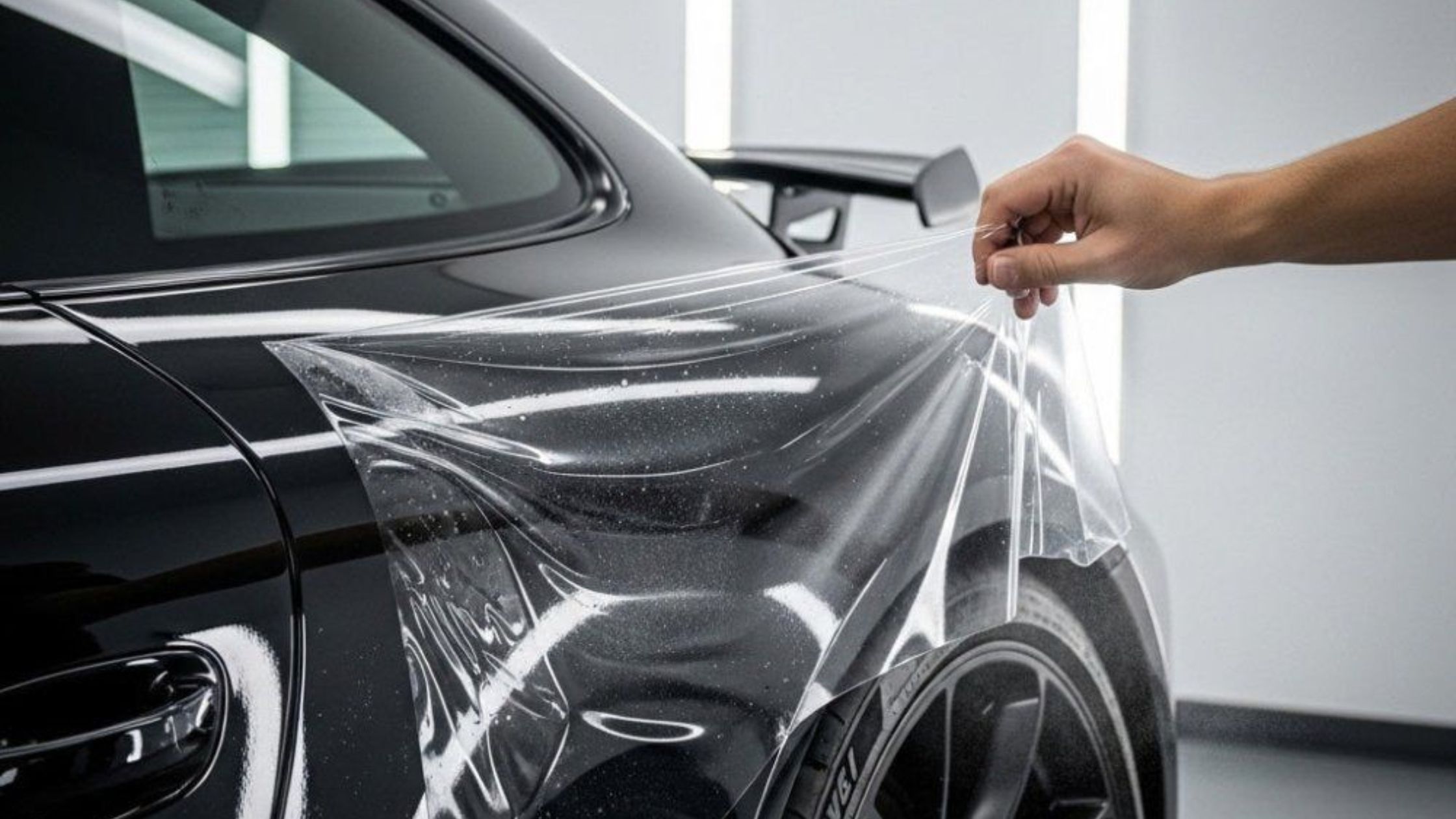
Choosing to apply paint protection film in Sacramento on your vehicle creates an advanced, transparent barrier that intercepts UV rays before they ever reach your clear coat. This thermoplastic polyurethane layer is physically engineered to absorb impact, block solar radiation, and maintain optical clarity. It acts as a sacrificial second skin for your car, absorbing environmental wear and tear.
Modern films utilize advanced elastomeric polymers that do not degrade or yellow when exposed to prolonged sunlight. The film’s structural density provides a physical block that temporary liquid coatings cannot replicate. This makes it the absolute gold standard for vehicles operating in hot, high-sun environments.
Furthermore, premium films are constructed with built-in UV inhibitors throughout the entire thickness of the polyurethane layer. This design ensures that the protection does not wash off or wear down over time. Whether you are commuting daily on Interstate 80 or parking near the California State Capitol, your vehicle remains shielded.
How PPF Intercepts UV Radiation
The chemistry of paint protection film relies on high-performance polyurethane that is naturally resistant to UV degradation. UV absorbers embedded within the film’s top coat chemically neutralize the energy from incoming solar rays. Instead of passing through to damage your paint, the energy is safely dissipated as low-level heat.
This filtration process blocks over 99% of harmful UVA and UVB radiation. By keeping these destructive wavelengths away from your factory clear coat, the film prevents the chemical reactions that cause fading. Your paint retains its original depth of color and brilliance for years.
Self-Healing Technology Under the Sun
One of the most remarkable features of modern protective film is its ability to self-heal. The elastomeric top coat consists of highly flexible polymers that can return to their original alignment after being disturbed. When light scratches or swirl marks occur, they can be erased simply by exposing the film to heat.
The heat of the sun actually works in your favor when you have this film installed. As your vehicle sits parked in Midtown or Arden-Arcade, the solar warmth softens the top coat, allowing the micro-scratches to close up naturally. This keeps your vehicle looking flawless without the need for constant polishing.
PPF vs. Ceramic Coating: Which Is Best for Preventing Paint Fading in Sacramento?
When comparing PPF and ceramic coatings for preventing paint fading in Sacramento, both options offer distinct advantages depending on your driving habits. Ceramic coatings rely on liquid nanotechnology to form a semi-permanent chemical bond with your clear coat. While they provide excellent hydrophobic properties and chemical resistance, they lack the physical thickness to stop rock chips.
Paint protection film, on the other hand, is a physical sheet of durable material that is significantly thicker than a ceramic coating. This thickness allows it to absorb physical impacts from road debris on Highway 50 while providing superior UV filtration. Combining both technologies actually provides the ultimate, comprehensive defense system for your vehicle.
| Protection Feature | Paint Protection Film (PPF) | Professional Ceramic Coating | Standard Automotive Wax |
| Primary Composition | Thermoplastic Polyurethane | Silicon Dioxide (Nano-Glass) | Carnauba or Synthetic Polymers |
| Thickness Level | Very High (Typically 6 to 8 mils) | Microscopic (Nanometer scale) | Extremely Thin (Variable) |
| UV Block Performance | Outstanding (99% UV filtration) | High (Inhibits oxidation) | Moderate (Short-lived barrier) |
| Physical Rock Chip Defense | Excellent (Absorbs heavy impacts) | None (Does not prevent chips) | None (Easily scratched) |
| Self-Healing Ability | Yes (Activated by solar heat) | No (Requires polishing to fix) | No (Must be reapplied) |
| Average Lifespan | 5 to 10 Years | 2 to 5 Years | 1 to 3 Months |
Step-by-Step Guide on how to protect car paint from sun damage
Implementing a proactive strategy is essential when exploring how to protect car paint from sun damage permanently. While simple maintenance habits help slow down the aging process, combining them with professional-grade protection yields the best results. Below is a structured approach to keeping your vehicle’s exterior looking new.
- Step 1: Perform Deep Chemical Decontamination. Before applying any protective barrier, you must thoroughly clean the paint surface. Use a pH-balanced car shampoo followed by a clay bar treatment to remove embedded iron particles, industrial fallout, and road grime from neighborhoods like Natomas or Land Park.
- Step 2: Correct Existing Paint Defects. Any swirl marks, oxidation, or light scratches must be polished out before protection is applied. Applying film or coating over damaged paint will lock those imperfections in, making them permanently visible.
- Step 3: Choose Your Coverage Areas. Decide whether you need full-body protection or targeted coverage. Many local drivers opt for a “front bra” package, which covers the front bumper, hood, fenders, and side mirrors, while others prefer the peace of mind of a full-vehicle wrap.
- Step 4: Professional Alignment and Installation. Installing protective film requires specialized tools, precise squeegee techniques, and custom-cut templates. The material must be stretched carefully over complex body contours to ensure a seamless, bubble-free finish.
- Step 5: Maintain Proper Washing Techniques. Wash your protected vehicle every one to two weeks using the two-bucket method and soft microfiber mitts. Avoid automatic car washes with spinning plastic brushes, as they can scratch the surface and lift the edges of the film.
If you are ready to secure long-term defense for your daily commuter or luxury vehicle, you can contact us to speak with our local installation experts about customizable packages. Taking action before the next heatwave ensures your clear coat remains fully shielded from the elements.
Frequently Asked Questions About UV Protection for Vehicle Paint
Does paint protection film really stop paint from fading?
Yes, premium paint protection film is highly effective at stopping paint from fading. It features advanced UV-blocking inhibitors infused directly into the polyurethane layers that filter out more than 99% of harmful solar radiation. This physical barrier prevents photo-oxidation and color fading, keeping your vehicle’s paint vibrant even if it is parked outdoors every day.
Will paint protection film yellow or bubble under the Sacramento sun?
High-quality, professional-grade films will not yellow, crack, or bubble when exposed to intense summer heat. Older, cheap films made of PVC often degraded under heavy UV light, but modern films use aliphatic polyurethane chemistry that remains perfectly clear. Most premium installations are backed by comprehensive manufacturer warranties that protect against discoloration or adhesive failure.
Is ceramic coating or paint protection film better for solar protection?
While both options offer excellent UV defense, paint protection film provides superior overall protection because of its physical thickness. A ceramic coating blocks UV rays and chemical etching, but it cannot protect against physical damage like rock chips or deep scratches. For the absolute best results, many enthusiasts apply a ceramic coating on top of their protective film.
How long does premium PPF last in hot valley climates?
When properly installed and maintained, a premium film can last anywhere from 5 to 10 years in hot valley climates. Regularly washing your car to remove environmental buildup and avoiding harsh chemicals will help maximize the life of the film. Utilizing a garage or shaded parking area whenever possible will also help extend its longevity.
What parts of my vehicle need paint protection the most?
The high-impact front-facing surfaces and the horizontal panels of your vehicle require the most protection. The front bumper, hood, and side mirrors are highly vulnerable to road debris, while the roof and trunk receive the most direct, intense sunlight. Protecting these specific panels is a cost-effective way to preserve your vehicle’s overall appearance and resale value.
Conclusion: Preserving Your Car’s Beauty and Value
Protecting your vehicle from local weather extremes does not have to be a constant struggle when you utilize the right technology. While traditional waxing provides a temporary shine, it cannot withstand the punishing summer heat of the valley. Investing in high-quality paint protection film in Sacramento is the ultimate safeguard against clear coat oxidation, color fading, and physical road debris. This premium protection ensures your vehicle maintains its factory-fresh appearance and retains its peak resale value over the years.
When you are ready to upgrade your vehicle’s defense system, working with an experienced local specialist is key to achieving a flawless, long-lasting installation. At West Coast Evolutions, we provide precision installations using premium materials specifically designed to withstand our demanding climate. Let our dedicated team help you select the ideal protective solutions to keep your car looking spectacular on every journey through Northern California.