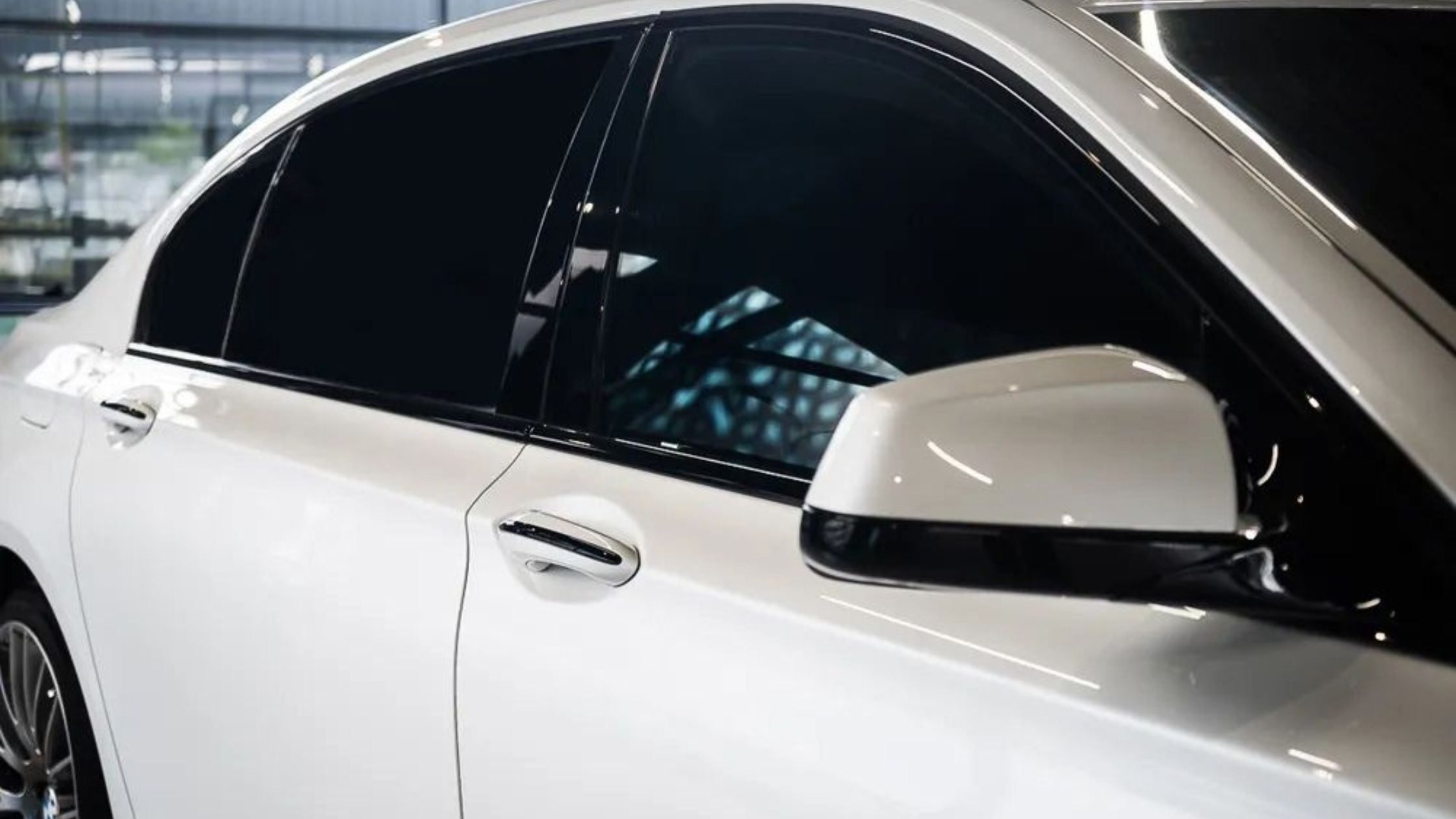
Driving down the Interstate 80 corridor during a hot California summer can turn your vehicle into a rolling oven in minutes. If you are tired of blasting the air conditioner only to feel the intense heat radiating through your windshield, you are likely exploring options for window tinting in Sacramento to make your commute more comfortable. Deciding which material to choose can feel overwhelming with so many different options available on the market today. Knowing the key details of each material helps you choose the perfect film to protect your vehicle and stay cool on the road.
Choosing the right film requires understanding how different technologies interact with solar energy. Automotive films have evolved far beyond the basic dark plastic sheets of the past. Today, advanced manufacturing techniques allow manufacturers to infuse films with carbon particles or nano-ceramic materials, drastically changing how they perform under the sun. Each type of film presents unique advantages and trade-offs regarding durability, heat rejection, aesthetic appeal, and overall cost.
By educating yourself on the core differences between window tint types, you can make a smart, long-term investment. This knowledge ensures you do not waste money on materials that fail under the intense California sun. Let us dive deep into the specific technologies, performance metrics, and local regulations you need to know.
What is the main difference between ceramic and carbon window tint?
The primary difference between ceramic and carbon window tint lies in their construction materials and their ability to reject infrared heat. Ceramic window film uses microscopic, non-conductive nano-ceramic particles that are highly effective at blocking both infrared light and ultraviolet rays. Carbon window film utilizes carbon particle technology, which offers excellent durability and a sleek matte finish, but it does not block heat as effectively as ceramic options.
When evaluating a ceramic tint vs carbon tint comparison, heat rejection is always the defining factor. While carbon films are outstanding at blocking around 40% of solar heat, ceramic films can block up to 95% or more of infrared heat. This difference becomes incredibly noticeable when your vehicle sits parked outside near the American River or during a long afternoon drive through Sacramento.
Furthermore, ceramic materials are completely non-conductive and do not interfere with modern electronic signals. Carbon films also avoid signal interference, making both options vastly superior to older metallic films. When deciding which option works best for your daily commute through Arden-Arcade or Folsom, it helps to consult with a local tint professional who can evaluate your vehicle’s specific glass profile.
Understanding Dyed Window Tint: The Budget-Friendly Option
Dyed window tint is the most basic and economical type of window film available on the market. It is constructed by applying a layer of organic dye directly to a polyester film base. This dye absorbs solar radiation, preventing a portion of the sunlight from passing directly through your car windows and into the cabin.
How Dyed Tint Works
Because the dye absorbs heat rather than reflecting it, the heat remains trapped within the glass itself. Over time, as you drive around neighborhoods like East Sacramento, that heat gradually transfers into your vehicle’s cabin. This makes dyed film less efficient at long-term thermal management compared to advanced alternatives.
The heat absorption properties of dyed film also put extra thermal stress on your vehicle’s glass. On particularly hot days, this can lead to a rapid increase in the interior temperature once the glass reaches its absorption limit. Consequently, your vehicle’s air conditioning system has to work much harder to keep the cabin cool.
Key Characteristics of Dyed Films
- Aesthetics: Provides a dark, classic appearance that many drivers appreciate for immediate privacy.
- Heat Rejection: Offers minimal thermal protection, absorbing only a small percentage of overall solar heat.
- Durability: Organic dyes are highly sensitive to ultraviolet radiation, which causes them to break down over time.
- Signal Friendly: Contains no metal components, meaning it will not block your GPS, cellular, or radio signals.
While dyed film is incredibly budget-friendly, its lifespan is relatively short. Exposure to the intense Northern California sun often causes the organic dye to fade, shift from black to a purple hue, or develop unsightly bubbles as the adhesive degrades. This degradation can occur in as little as one or two summer seasons.
Exploring Carbon Window Tint: The Matte-Finish Solution
Carbon window tint represented a major technological leap forward when it was introduced to the automotive styling industry. By embedding microscopic carbon particles directly into the polyester film, manufacturers created a product that does not rely on temporary dyes to achieve its dark, protective shading.
The Construction of Carbon Film
Carbon particles are highly stable and do not degrade under direct exposure to ultraviolet light. This means your windows will maintain their clean, dark appearance for years without turning purple or fading. The matte-black finish of carbon film blends beautifully with modern paint colors, giving vehicles a clean and customized look.
Unlike dyed films, carbon films do not rely on heat absorption alone. The physical properties of carbon allow the film to reflect a portion of the incoming solar energy back into the atmosphere. This reflection helps maintain a more consistent temperature within your vehicle’s cabin during long periods of sun exposure.
Key Benefits of Carbon Technology
- Zero Fading: The inorganic carbon particles ensure the film maintains its original color for its entire lifespan.
- Enhanced Heat Block: Rejects significantly more heat than dyed films, keeping your interior cooler.
- No Signal Blocking: Since carbon is non-metallic, it allows radio waves, cell signals, and satellite navigation to pass through freely.
- Glare Reduction: Drastically reduces harsh sunlight glare, making driving safer during sunrise and sunset commutes.
Carbon film is an excellent mid-tier choice for drivers who want a durable, stylish product that offers reliable protection without breaking the bank. It provides a perfect balance between performance and affordability for everyday driving.
Demystifying Ceramic Window Tint: The Premium Performance Standard
Ceramic window tint represents the pinnacle of modern automotive glass protection technology. This advanced film is created by dispersing nano-ceramic particles throughout a multi-layered polyester sheet. These microscopic particles are invisible to the naked eye, allowing for incredible optical clarity while offering unparalleled solar control.
The Science Behind Ceramic Performance
While other films attempt to block heat by simply darkening the glass, ceramic film targets the specific wavelengths of light that cause heat. It blocks up to 99% of harmful ultraviolet (UV) radiation and filters out the vast majority of infrared (IR) light, which is the primary source of heat build-up inside a vehicle.
The nano-ceramic particles are specifically engineered to target the near-infrared spectrum of solar energy. This means that even a light or nearly clear ceramic film can block more heat than a very dark dyed film. This technology revolutionizes how we think about window film performance, separating heat rejection from visual darkness.
Outstanding Features of Ceramic Films
- Unmatched Heat Rejection: Keeps your car interior remarkably cool, even during heatwaves in the Central Valley.
- Maximum UV Protection: Acts as a powerful shield, preventing sun damage to your skin and stopping your leather seats from cracking.
- Superior Optical Clarity: Allows for excellent visibility both day and night, even at darker tint levels.
- Incredible Durability: Resists scratches, bubbling, and fading, often lasting for the entire life of the vehicle.
If you are looking to invest in the comfort, safety, and longevity of your vehicle, ceramic technology offers a level of performance that other films simply cannot match. It is the ultimate choice for drivers who demand the absolute best in climate control and material durability.
Why Window Tinting in Sacramento Is Essential for Local Drivers
Selecting high-quality window tinting in Sacramento is not just about enhancing the appearance of your vehicle; it is a necessity for surviving the intense Sacramento Valley heat. With summer temperatures regularly climbing above 100 degrees near landmarks like the Golden 1 Center and the California State Capitol, untreated car windows can quickly turn your cabin into a heat trap. Investing in premium film keeps your vehicle cool while protecting your leather seats and dashboard from cracking under the relentless sun.
Drivers who frequently travel through busy areas like Midtown, Land Park, or Natomas know how quickly a car interior can heat up when parked on the street. High-quality film acts as a barrier, reflecting solar energy away from your vehicle before it can penetrate the glass. This reduces the strain on your vehicle’s air conditioning system, improves fuel efficiency, and ensures a much more comfortable driving experience.
Furthermore, the ultraviolet rays that stream through untreated auto glass do continuous damage to your skin during long daily commutes. Applying a high-performance protective barrier to your windows helps safeguard your health and prevents premature aging or skin damage. It turns your daily commute on Business 80 or Highway 50 into a much safer and more relaxing experience.
Dyed vs. Carbon vs. Ceramic: A Side-by-Side Comparison
To help you understand the core differences between window tint types, we have compiled a direct comparison of their key performance metrics. This comparison highlights how each material handles heat, durability, and daily use.
| Performance Metric | Dyed Window Tint | Carbon Window Tint | Ceramic Window Tint |
| Primary Material | Organic Dye & Polyester | Carbon Particles | Nano-Ceramic Particles |
| Infrared Heat Rejection | Low (Typically under 20%) | Moderate (Around 40% to 50%) | High (Up to 95% or more) |
| UV Protection Rate | Up to 99% (Varies by brand) | Up to 99% | Up to 99% |
| Color Longevity | Poor (Prone to fading/turning purple) | Excellent (Will not fade) | Excellent (Will not fade) |
| Signal Interference | None | None | None |
| Expected Lifespan | 1 to 3 Years | 5 to 10 Years | Lifetime |
| Price Point | Budget-Friendly | Mid-Range | Premium |
Which Window Tint Is Best for Cars in the Central Valley?
When deciding which window tint is best for cars operating in the warm climate of Northern California, ceramic window film is the undisputed winner. The extreme summer temperatures require a film that can actively reflect infrared heat rather than just absorbing it. While carbon is a great alternative for moderate climates, it often struggles to keep up during our prolonged summer heatwaves.
If you want to protect your investment and enjoy a much cooler ride during your summer trips to the American River, you can contact us to explore high-performance film options that suit your specific driving habits. The long-term savings on vehicle cooling costs, combined with the preservation of your interior cabin materials, easily offset the initial premium price of a ceramic installation.
Choosing a premium ceramic film also ensures you get the highest optical clarity available on the market. Cheaper options can distort your view at night or create a hazy effect when looking into direct sunlight. Investing in top-tier ceramic materials guarantees that your night driving remains perfectly safe while your daytime driving remains completely cool.
How to Choose the Right Tint Level and Percentage
Understanding visible light transmission (VLT) is crucial when selecting your new window film. VLT is measured as a percentage, representing the amount of visible light that can pass through the tinted glass. A lower percentage means a darker tint, while a higher percentage allows more light to enter.
California Window Tint Regulations
Before choosing your film percentage, you must be aware of local laws in Northern California. California vehicle code states:
- Windshield: Non-reflective tint is allowed only on the top 4 inches of the glass.
- Front Side Windows: Must allow at least 70% of light to pass through when combined with the factory glass.
- Rear Side Windows: Any darkness level can be used.
- Rear Window: Any darkness level can be used if the vehicle has dual side mirrors.
Choosing a high-quality ceramic film allows you to maximize heat rejection even if you choose a lighter, legally compliant VLT percentage for your front windows. This means you do not have to install dark, unsafe films just to keep your vehicle cool. You get the best of both worlds: full legal compliance and maximum heat protection.
Frequently Asked Questions About Automotive Window Films
Does ceramic window tint make a big difference?
Yes, ceramic window tint makes an incredible difference in cabin comfort. Because it utilizes advanced nano-ceramic particles, it can reject up to 95% of infrared heat, which is the heat you actually feel on your skin. This performance is far superior to traditional dyed or carbon films, keeping your vehicle significantly cooler even when parked in direct sunlight.
Is carbon or ceramic tint better for summer heat?
Ceramic tint is much better suited for intense summer heat. While carbon tint offers decent heat protection by blocking up to 50% of infrared heat, ceramic films can block up to 99% of infrared energy and ultraviolet rays. For drivers experiencing the hot summer climates of Northern California, ceramic provides a night-and-day difference in overall thermal comfort.
What are the legal window tint limits in Northern California?
In California, your front side windows must have a visible light transmission of at least 70%. The rear side windows and back window can be as dark as you prefer, provided you have dual side mirrors installed on your vehicle. A small strip of non-reflective tint is also allowed along the top edge of the windshield.
How long does professional window film last in hot climates?
The lifespan depends heavily on the type of film you choose. Low-grade dyed films may only last 1 to 3 years before they begin to bubble, peel, or turn purple under the hot sun. High-quality carbon and ceramic films are designed to resist UV degradation and typically come with a lifetime warranty against fading, peeling, and bubbling.
Can window tint block UV rays without being completely black?
Yes, high-quality ceramic films can block up to 99% of harmful ultraviolet rays even if they are virtually clear. This allows drivers to protect their skin and preserve their vehicle’s interior without reducing night visibility or violating local laws regarding front-window darkness levels.
Conclusion: Making the Best Decision for Your Vehicle
Navigating the various options for automotive films does not have to be difficult once you understand how dyed, carbon, and ceramic materials perform. While dyed films offer a quick aesthetic fix on a tight budget, they lack the durability and heat rejection required for long-term satisfaction. Carbon films provide excellent durability and a gorgeous matte finish, but they cannot compete with the incredible thermal performance of ceramic films. If you are looking for maximum comfort, superior clarity, and lifetime protection against the elements, ceramic film is always the best choice for your vehicle.
When you are ready to invest in premium window tinting in Sacramento, choosing the right provider makes all the difference. When you want the job done right, turning to a dedicated local professional like West Coast Evolutions ensures you receive high-quality materials and a flawless installation. Let our team of experts guide you toward the perfect film solution to keep you cool, protected, and stylish on every road journey.