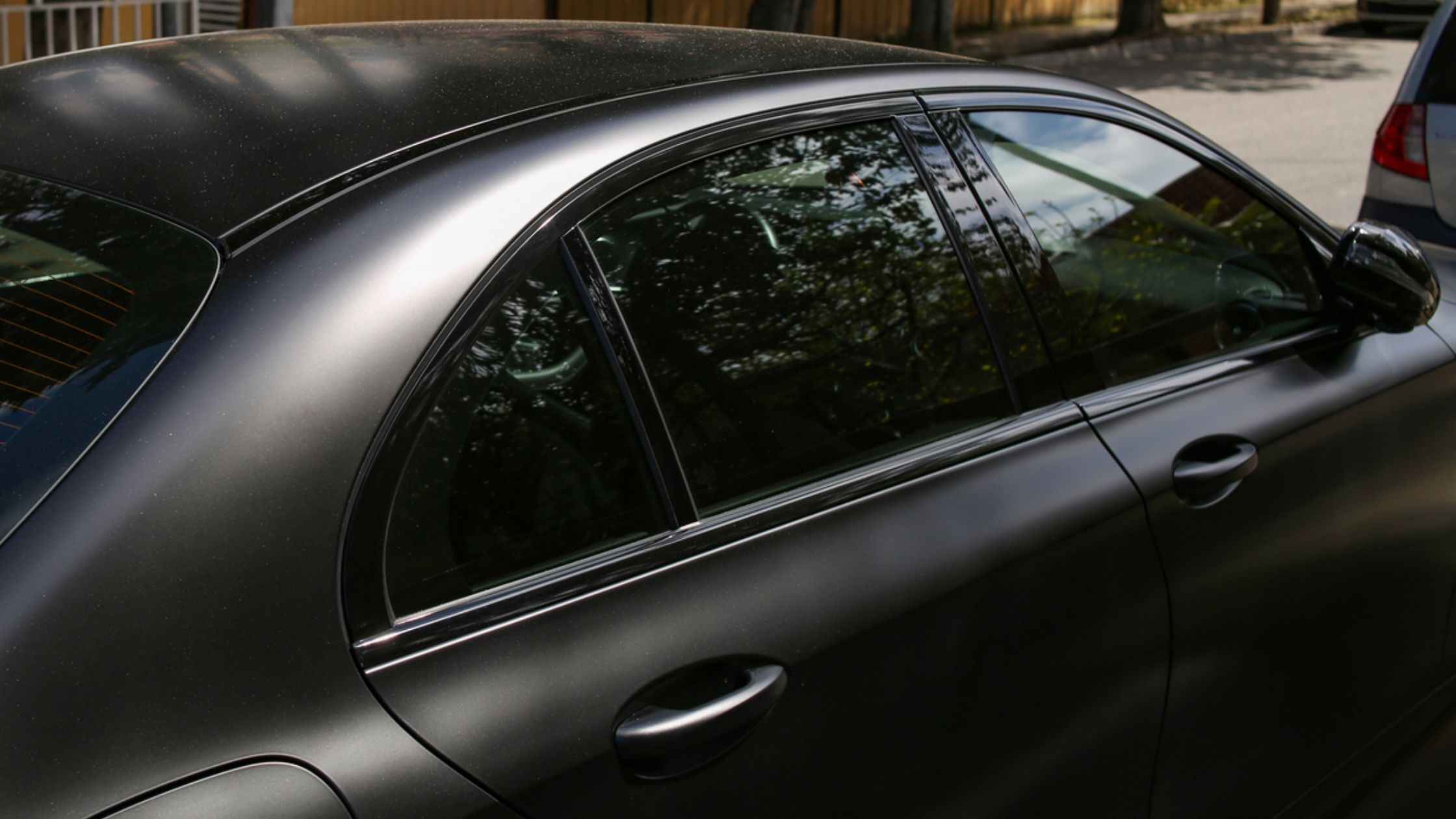
When summer temperatures routinely climb past triple digits in the Central Valley, leaving your car parked near the State Capitol or along the exposed streets of Midtown can turn your vehicle into a virtual oven. Finding premium window tinting in Sacramento is not just an aesthetic upgrade; it is an essential survival tactic for your car’s interior and your driving comfort.
Long commutes along Highway 50 or Interstate 80 become far more enjoyable when you are shielded from blinding glare and intense, cabin-baking solar radiation. Protecting your vehicle with high-quality materials ensures you maintain comfortable cabin temperatures during peak heatwaves.
Without proper protection, the relentless California sun will quickly degrade your car’s dashboard, leather seats, and internal electronics. Standard factory glass only blocks a fraction of harmful ultraviolet rays, leaving you and your passengers exposed during daily drives.
Fortunately, modern window films offer an array of protective barriers engineered to:
- Combat extreme cabin heat: Keeps the interior temperature stable during intense heatwaves.
- Reduce blinding eye strain: Minimizes harsh sunlight and headlight glare for safer driving.
- Elevate passenger privacy: Keeps your belongings and passengers shielded from outside eyes.
- Prevent interior damage: Blocks the damaging ultraviolet rays that cause cracking and fading.
This guide breaks down every primary automotive film technology, highlighting how they perform under our unique local conditions. By understanding your options, you can make an informed decision that perfectly balances performance, legal compliance, and cost.
What is the best window tint material for cars to block extreme heat?
Ceramic window film is universally recognized as the best window tint material for cars when maximum thermal defense is the primary goal. By utilizing advanced nano-ceramic particles, this specialized film blocks up to $99\%$ of cancer-causing ultraviolet rays and rejects up to $95\%$ of infrared heat. This ensures your vehicle remains significantly cooler even when parked in direct, unshaded sunlight.
When seeking professional window tinting in Sacramento, choosing a high-performance ceramic material ensures your vehicle is fully equipped for intense summer heatwaves. This advanced material acts as a thermal barrier, preventing ambient warmth from building up inside your cabin while you are parked at the Arden Fair mall or enjoying a walk along the American River.
Unlike traditional dyed films, ceramic coatings rely on non-conductive, non-metallic particles to absorb solar energy instead of reflecting it. The performance of ceramic films is measured through two primary metrics:
- Visible Light Transmission (VLT): This metric determines how dark the glass appears to the eye.
- Total Solar Energy Rejection (TSER): This measures the cumulative percentage of solar energy, including infrared and ultraviolet light, that the film prevents from entering the vehicle.
High-quality ceramic options can achieve a TSER of over $60\%$ even in highly transparent shades, allowing you to comply with state safety laws without sacrificing heat protection.
Additionally, because ceramic films do not contain metal, they offer complete electronic signal clarity. This means your key wireless features will function perfectly without encountering signal degradation, including:
- Smartphones and mobile devices
- Onboard GPS navigation systems
- Satellite radio receivers
- High-speed $5\text{G}$ cellular connections
This makes ceramic the absolute gold standard for modern, technology-filled passenger vehicles navigating the bustling business districts of our capital city. While the upfront cost of ceramic films is higher than other alternatives, the long-term return on investment is unmatched.
The material is highly durable, resisting the bubbling, peeling, and color changes that plague cheaper installations. Investing in ceramic protection translates directly into lower air conditioning usage, reduced fuel consumption, and an extended lifespan for your vehicle’s delicate interior surfaces.
Understanding the Main Types of Automotive Window Tint
Selecting the right film requires a clear understanding of the various types of automotive window tint available on the market today. Each material option features a distinct manufacturing process, chemical composition, and performance profile.
By comparing these characteristics, you can determine which product aligns best with your budget, aesthetic preferences, and performance expectations. Automotive films have evolved significantly from the basic dyed plastics of previous decades.
Today, manufacturers leverage advanced metallurgy, carbon structures, and nanotechnology to deliver specific visual and physical benefits. Below, we explore the four primary materials used in modern window films to help you make an educated choice.
Dyed Window Tint
Dyed window film represents the most entry-level option available for vehicle owners. This material is constructed by applying a layer of light-absorbing dye directly to a polyester base film.
The dye absorbs solar radiation, reducing the amount of visible light that passes through your vehicle’s side and rear glass. While dyed film is highly affordable, its heat-rejection capabilities are relatively limited compared to advanced alternatives.
Key characteristics of dyed films include:
- Budget-friendly entry point: The most affordable option for vehicle owners looking for a quick visual upgrade.
- Basic glare reduction: Improves driving comfort during bright, sunny Sacramento afternoons.
- Limited thermal defense: Offers minimal protection against intense solar heat.
- Vulnerability to fading: Often degrades and turns a purple hue after a few seasons of heavy solar exposure.
Furthermore, dyed options can struggle with durability in hotter climates like the Central Valley. The absorbed heat is trapped in the glass, which can eventually cause the adhesive backing to break down, leading to unsightly bubbling or peeling.
If you choose a dyed film, selecting a high-quality brand with a solid warranty is essential to protect your investment. This prevents you from having to pay for costly removal and re-application services down the road.
Metallized Window Film
Metallized window film utilizes a micro-thin layer of metallic particles embedded within the polyester layers. These metallic components reflect solar heat away from the vehicle rather than absorbing it.
This physical reflection makes metallized films highly efficient at keeping your cabin cool while reinforcing the strength of your glass windows. In addition to heat rejection, metallized options provide excellent scratch resistance and structural durability.
Key features of metallized films include:
- Reflective solar shield: Bounces heat away from the vehicle instead of absorbing it.
- High scratch resistance: Offers superior durability and physically reinforces window glass.
- Distinct aesthetic: Gives the windows a slightly reflective, mirror-like appearance.
- Signal interference: The metallic barrier can severely disrupt radio, GPS, and cellular network connections.
The metal content gives the windows a slightly reflective, mirror-like appearance, which some drivers appreciate for its unique aesthetic. However, this reflective quality is subject to strict state laws, as overly shiny windows can cause blinding glare for other motorists on the road.
If you rely heavily on mobile navigation or driving assistance systems, this material may create frustrating connectivity issues during your daily commute. This is particularly noticeable when driving through dense areas with lots of wireless traffic.
Carbon Window Tint
Carbon window film offers a significant step up in both performance and aesthetics by incorporating dark carbon particles. These carbon elements create a beautiful, matte finish that naturally complements the body lines of modern vehicles.
Unlike dyed products, carbon films do not fade, bubble, or change color over time, ensuring your vehicle looks great for years. From a performance standpoint, carbon films are highly effective at blocking infrared light, which is the primary driver of interior heating.
Key benefits of carbon window tint include:
- Matte visual finish: Delivers a sleek, non-reflective aesthetic that never fades.
- Strong heat rejection: Blocks high levels of infrared light to maintain stable cabin temperatures.
- Zero signal disruption: Contains no metal, ensuring perfect performance for mobile devices.
- Excellent durability: Resists bubbling, peeling, and color breakdown over years of daily exposure.
This material helps maintain a stable, comfortable temperature inside your car, reducing your reliance on the air conditioner during scorching summer days. The heat rejection of carbon is substantially higher than both dyed and basic metallized films.
Importantly, carbon is completely metal-free, meaning it will never cause signal interference with your electronic devices. This makes it an incredibly reliable mid-tier option for drivers who want premium thermal protection without paying the absolute top dollar for ceramic.
Ceramic Window Tint
Ceramic window film stands at the pinnacle of modern automotive glass protection technology. This premium material is manufactured using micro-fine, non-conductive ceramic nanoparticles that are chemically engineered to target specific wavelengths of solar energy.
This allows the film to block massive amounts of heat while remaining incredibly clear to look through. The primary advantage of ceramic is its exceptional ability to block invisible infrared radiation.
Key advantages of ceramic window tint include:
- Maximum thermal defense: Rejects up to $95\%$ of infrared heat for ultimate cooling performance.
- Clear visibility options: Blocks massive heat without requiring dark shades, ideal for front windows.
- Maximum UV protection: Blocks up to $99.9\%$ of skin-damaging ultraviolet rays.
- Unmatched longevity: Resists bubbling, peeling, and color changes over its lifetime.
While traditional dark tints must block visible light to reduce heat, ceramic films can achieve outstanding heat rejection even in completely clear or lightly tinted shades. This makes ceramic perfect for windshield applications and front side windows where legal limits restrict visual darkness.
Additionally, ceramic films provide maximum protection against ultraviolet (UV) radiation, blocking up to $99.9\%$ of these damaging rays. This helps protect your skin from sun damage during long drives and prevents your leather, vinyl, and plastics from cracking or fading.
For drivers seeking the ultimate in comfort, longevity, and electronic safety, ceramic is the undisputed champion. It offers unparalleled peace of mind and performance in the harshest driving conditions.
Window Tint Materials Comparison
The table below summarizes the key differences in performance, durability, and cost across the four primary automotive window film materials.
| Tint Material | Heat Rejection | UV Protection | Signal Interference | Durability | Relative Cost |
| Dyed Tint | Low ($30\% – 40\%$) | Moderate (up to $99\%$) | None | Low (Fades/Bubbles) | Budget-Friendly |
| Metallized Tint | High ($50\% – 60\%$) | Excellent ($99\%$) | High (Blocks Signals) | High (Scratch-Resistant) | Moderate |
| Carbon Tint | Very High ($60\% – 70\%$) | Outstanding ($99\%$) | None | Very High (No Fading) | Premium-Mid |
| Ceramic Tint | Ultimate ($70\% – 95\%$) | Maximum ($99.9\%$) | None | Lifetime Durability | Premium-High |
How Do California Tint Laws Impact Your Material Choice?
Before investing in new window film, it is absolutely crucial to understand local legal regulations to avoid costly traffic stops. California maintains strict guidelines regarding how dark and reflective your window film can be.
These laws are designed to ensure drivers maintain clear visibility and law enforcement officers can see inside the vehicle for safety. For passenger vehicles, the rules vary significantly depending on which window is being treated.
To stay safe and compliant, keep the following California regulations in mind:
- Front Windshield: Only non-reflective film is allowed on the top $4$ inches (along the AS-1 line).
- Front Side Windows: Must allow at least $70\%$ of visible light to pass through when combined with factory glass.
- Rear Side & Back Windows: Any level of darkness is legally permitted, allowing for maximum privacy.
- Reflectivity: Highly reflective, shiny, or mirror-like finishes are strictly prohibited.
- Prohibited Colors: The use of specific tint colors, such as red, amber, and blue, is illegal.
The front windshield strip is meant to reduce blinding sun glare without obstructing your primary field of view while navigating tricky intersections in Downtown Sacramento, driving past historical landmarks like Sutter’s Fort, or cruising near the Sacramento River.
Because the front side windows must allow at least $70\%$ of visible light to pass through, aftermarket films applied to these windows must be exceptionally light or completely clear. Many car owners choose high-performance ceramic films for these front windows because they block immense amounts of heat without violating the $70\%$ VLT limit.
To guarantee you do not accidentally violate state regulations, working with a certified shop is highly recommended. To get a precise quote tailored to your vehicle’s specific make and model, you can contact us to explore options that perfectly balance visual darkness with legal light transmission.
Ensure you choose certified films installed by professionals who understand local vehicle codes. This keeps your vehicle looking great while avoiding unexpected compliance issues on the road.
Critical Factors When Choosing the Right Window Tint for Your Vehicle
Selecting the absolute best film for your car involves weighing several personal and practical factors. While heat reduction is often the top priority, you must also consider aesthetics, longevity, technology compatibility, and local driving habits.
Consider these critical factors during your choosing the right window tint selection process:
- Daily Driving Patterns: Where you park and how much time you spend commuting on local highways.
- Visual Aesthetic: Whether you prefer a sleek dark look or completely clear heat protection.
- Ownership Duration: How long you plan to keep the vehicle, which helps justify material durability.
- Project Budget: Balancing low upfront cost against the long-term replacement expenses of cheap films.
First, evaluate your daily driving patterns and where you typically park your vehicle. If you routinely park in open, unshaded lots near Arden-Arcade or Land Park, you will benefit immensely from a high-TSER ceramic film.
Second, think about the visual aesthetic you want to achieve for your vehicle. Modern ceramic technology allows you to achieve maximum thermal defense even with virtually clear films, giving you ultimate flexibility for your lifestyle.
Third, consider your long-term ownership plans for the vehicle. If you plan on keeping your car for several years, investing in a high-quality carbon or ceramic film is highly economical.
When making your final selection, discussing your driving habits and aesthetic goals with a professional will ensure you get exactly what you need. Making the right choice now prevents headaches and extra expenses later.
The Real Cost of Quality Window Tinting in Sacramento
Understanding the pricing of professional automotive film installation helps you set realistic expectations and avoid low-quality traps. The total cost of window tinting in Sacramento depends on several variables, including your vehicle’s size, the number of windows, and the specific material you select.
Here is what you can expect to invest for a standard two-door coupe or four-door sedan:
- Dyed Tint ($150 to $250): Provides basic glare reduction and a quick visual upgrade, but offers minimal heat defense and is prone to fading.
- Carbon Tint ($300 to $500): Delivers excellent infrared heat rejection, a beautiful matte appearance, and a lifetime warranty against fading.
- Ceramic Tint ($500 to $900+): The ultimate investment for maximum thermal protection, complete UV blocking, and lifetime durability.
Generally, prices reflect the performance and longevity of the product being installed. For larger SUVs, trucks, or vans with complex curved rear windows, prices may adjust slightly upward to account for the additional material and labor required.
Whether you are driving in Folsom, Elk Grove, or Roseville, local climate demands make a high-quality installation highly valuable. It is important to remember that cheap, low-cost offers often signal low-quality materials and rushed installation techniques.
Untrained installers may use inferior glues and thin films that quickly bubble, peel, or scratch. Choosing an established, highly-reviewed local shop ensures you receive premium materials, precise computer-guided cuts, and a dependable lifetime warranty.
Professional Installation vs DIY Kits
While DIY window tint kits are readily available online and at local auto parts stores, achieving a flawless, bubble-free installation is incredibly difficult. Applying window film is a highly specialized craft that requires pristine environmental controls, specialized tools, and years of hands-on practice.
Attempting a DIY installation presents several critical risks:
- Dust Contamination: Tiny floating particles get trapped, creating permanent, unsightly bubbles.
- Imprecise Cutting: Hand-held razor blades carry a high risk of scratching glass or cutting defroster lines.
- Lack of Warranty: Mistakes require expensive, out-of-pocket film removal and replacement.
- Peeling Edges: Amateur application often leads to film peeling along the edges of roll-down windows.
One of the biggest challenges of DIY tinting is managing the environmental dust and wind that naturally occur in a home garage. Professional shops operate in clean, dust-controlled bays designed specifically to eliminate airborne contaminants during the application process.
If you want a flawless, bubble-free finish backed by an industry-leading warranty, relying on experienced professionals will guide you through the process and ensure a clean installation. This protects your glass and guarantees that the selected film performs at its highest engineering limits.
Professional installations come backed by manufacturer warranties that protect against bubbling, peeling, adhesive failure, and color changes. If a professionally installed film ever experiences a defect, the manufacturer will cover both the material and labor costs to replace it.
Working with trained professionals ensures the job is done right the first time.
Frequently Asked Questions About Sacramento Window Tinting
Navigating the world of automotive films can raise several practical questions about maintenance, performance, and legality. To help you make the best decision for your vehicle, we have compiled direct answers to some of the most common questions asked by local drivers.
How long does window tint last in the Sacramento heat?
High-quality window films can last anywhere from five years to the lifetime of the vehicle, depending on the material chosen. Ceramic and carbon films are engineered with highly stable inorganic compounds that do not degrade or fade under intense ultraviolet light, making them ideal for our hot local climate. In contrast, cheap dyed films may begin to bubble, peel, or turn purple within one to three years due to adhesive breakdown caused by extreme heat.
Will metallic window tint interfere with my GPS and phone signal?
Yes, traditional metallized films can cause noticeable interference with your vehicle’s onboard electronics, GPS navigation, and cellular signals. The thin layer of metallic particles acts as a partial shield, weakening wireless waves trying to enter or exit the cabin. If you rely on digital mapping, mobile devices, or hands-free calling, choosing non-metallic carbon or ceramic films is highly recommended to ensure completely uninterrupted signal reception.
Can you tint the front windshield legally in California?
In California, you cannot legally apply a full, dark tint to your front windshield unless you qualify for a specific medical exemption. However, you are permitted to install a non-reflective tint strip on the top four inches of the windshield (along the AS-1 line) to reduce morning and evening glare. Additionally, you may install completely clear, UV-filtering films across the entire windshield to block solar heat without altering the visible light transmission of the glass.
What is the most heat-rejection-friendly tint material?
Ceramic and nano-ceramic films offer the highest heat-rejection capabilities on the market. These materials are specifically designed to absorb and scatter infrared radiation, which accounts for over half of the sun’s thermal energy. Premium ceramic films can reject up to $95\%$ of infrared heat and block $99\%$ of harmful UV rays, keeping your cabin substantially cooler than dyed or carbon alternatives.
How do I clean my tinted windows without damaging the material?
To protect your window film from scratches and chemical damage, you should always clean it using a soft microfiber towel and an ammonia-free glass cleaner. Ammonia is a harsh chemical that can break down the protective topcoat and adhesive bonds of the film, leading to premature clouding or peeling. Avoid using paper towels, abrasive sponges, or squeegees with rough edges, as they can leave microscopic scratches on the film’s surface.
Conclusion: Selecting the Ideal Tint Material for Your Ride
Choosing the perfect window film for your vehicle is a balancing act between heat-rejection performance, legal compliance, and your personal budget. By understanding the distinct differences between dyed, metallized, carbon, and ceramic materials, you can select an option that shields your cabin, protects your skin, and elevates your vehicle’s visual appeal.
Investing in high-quality film is one of the most practical upgrades you can make to ensure year-round driving comfort. When it comes to getting the job done right, partnering with an experienced local shop is key to achieving a flawless finish that stands up to the elements.
For premium window tinting in Sacramento, West Coast Evolutions provides the expert guidance, computer-cut precision, and industry-leading materials you need to protect your car. Our dedicated team is ready to help you navigate your options and deliver a flawless installation that keeps your vehicle cool, secure, and stylish for miles to come.
Are you ready to transform your driving experience and defend your vehicle against the harsh summer sun?